As autumn arrives and the temperatures begin to drop, many gardens start to wind down for the year. But while plants are slowing their growth, wildlife is busier than ever preparing for the colder months ahead. From hedgehogs seeking shelter to birds foraging for food and bees searching for late blooms, your garden can play a vital role in supporting local wildlife during this transition.
At All Seasons Garden Maintenance, we believe a beautiful garden and a wildlife-friendly one can go hand in hand.
Here are our top tips for creating a thriving haven for birds, pollinators, and hedgehogs this October – while keeping your outdoor space looking its best.
1) Leave Some Areas a Little Wild
While neat lawns and tidy borders have their charm, leaving a small corner of your garden untouched can make a big difference to wildlife. Piles of leaves, twigs, and branches provide essential shelter for hedgehogs and insects. These little piles act as natural insulation against the cold and serve as safe spots for nesting.
If you’re cutting back shrubs or trees this month, consider stacking the trimmings discreetly in a quiet corner instead of removing them altogether. This simple step can create a mini ecosystem right in your garden.
2) Feed the Birds Regularly
October is when many birds begin to struggle to find enough food naturally. Insects become scarce, and seed-producing plants start to fade, so topping up feeders can make a big difference.
Opt for a mix of seeds, suet balls, and peanuts to attract a variety of birds such as robins, blue tits, sparrows, and finches. Clean your feeders weekly to prevent mould and disease, and place them in sheltered spots, away from predators like cats.
If you have space, adding a birdbath or a shallow dish of clean water provides both drinking water and a place to bathe, which helps birds keep their feathers in good condition during the colder months.
3) Choose Late-Flowering Plants for Pollinators
Many pollinators – including bees, butterflies, and hoverflies – are still active during October, especially in milder regions. To support them, plant late-flowering species such as Sedum (Stonecrop), Michaelmas Daisies (Asters), and Japanese Anemones.
These provide a vital last source of nectar and pollen before winter sets in. If you’re planning ahead for next year, autumn is also an ideal time to plant bulbs that will bloom early in spring, giving pollinators a head start once the weather warms up again.
4) Make Space for Hedgehogs
Hedgehogs begin hibernating between October and November, and they rely on safe, dry spaces to shelter through the winter. You can help by leaving small gaps (around 13cm square) in the base of fences or hedges to allow them to travel between gardens.
A simple hedgehog house, made from wood or even a log pile covered with leaves, can provide an ideal refuge. Avoid using slug pellets or chemical pesticides – these can harm hedgehogs and other beneficial garden visitors.
5) Leave Some Seed Heads Standing
While it’s tempting to cut everything back at the end of summer, leaving seed heads on plants like Echinacea, Rudbeckia, and Sunflowers provides a valuable winter food source for birds.
These seed heads also add attractive texture and structure to your autumn and winter garden, proving that nature’s leftovers can be just as beautiful as summer blooms.
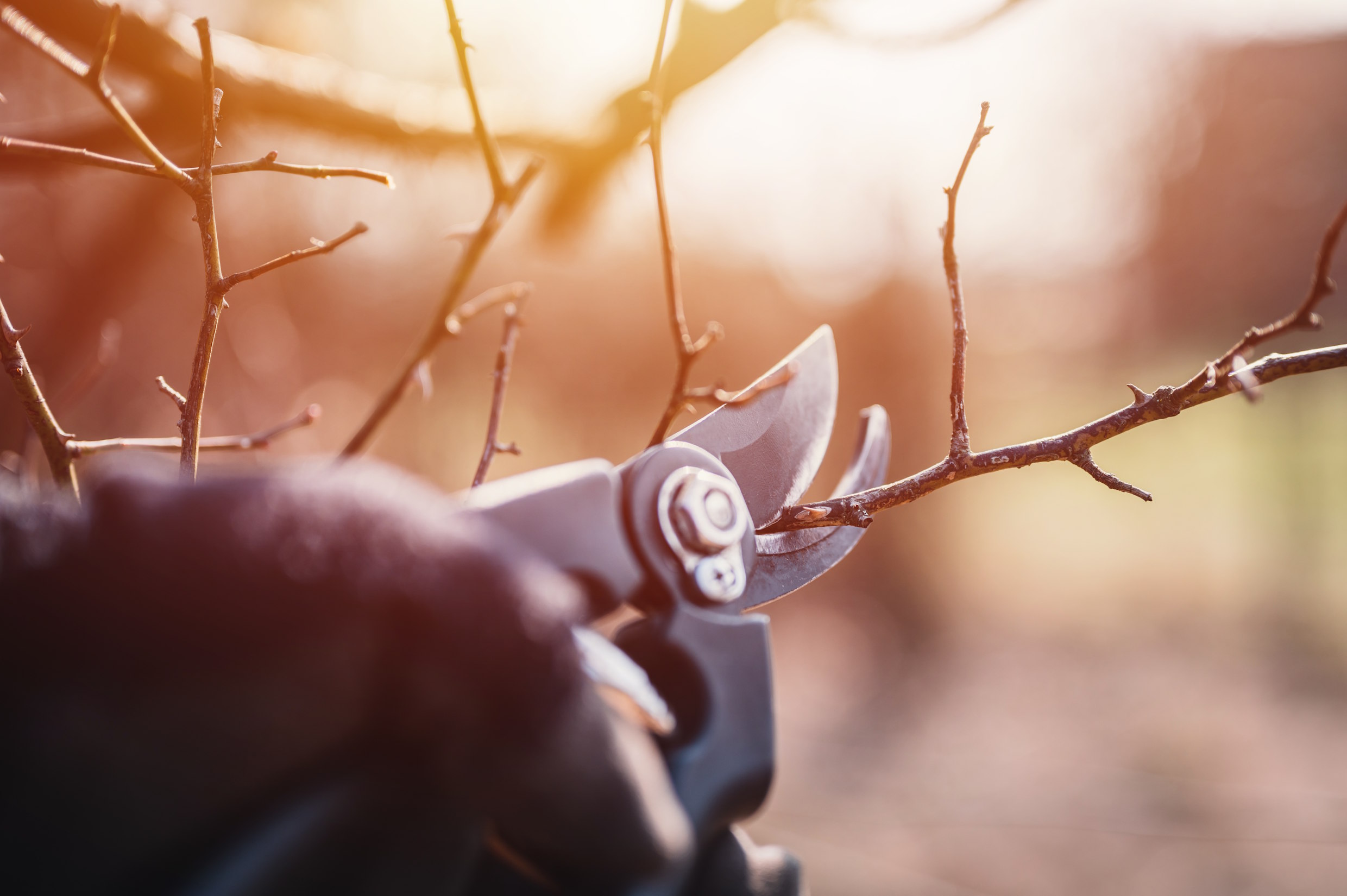
When pruning is needed, All Seasons’ garden maintenance service ensures that borders are tidied up safely and sympathetically, preserving areas that benefit local wildlife while keeping your garden looking neat and cared for.
7) Add a Small Water Source
Even in cooler weather, wildlife needs water for drinking and bathing. A small pond, birdbath, or shallow bowl can provide a lifeline for many species.
If you already have a pond, make sure part of it is sloped or contains a shallow area, so animals like hedgehogs can easily climb out if they fall in. Adding a few stones or sticks around the edge can also create safe landing spots for insects.
8) Avoid Overly Tidy Gardens
While it’s natural to want your garden looking tidy for autumn, being too thorough can actually remove important habitats. Fallen leaves act as natural mulch, enriching the soil and protecting plant roots from frost.
At All Seasons, our approach to garden maintenance strikes the right balance – keeping gardens neat and welcoming while maintaining pockets of natural habitat to support biodiversity throughout the year.
9) Prepare Your Garden for Winter Wildlife
As you get your garden ready for the colder months, think about what creatures will still be active. Small piles of wood, dry leaves, or compost can offer warmth to frogs, toads, and insects. Even something as simple as leaving a few apples on the ground can provide an extra food source for birds and mammals.
October is also the perfect time to plan for next year – consider planting native trees and shrubs that offer berries, seeds, and shelter for wildlife in all seasons.
Final Thoughts
By making a few thoughtful changes this October, your garden can become a safe haven for wildlife throughout autumn and beyond. You’ll not only help local species survive the colder months, but you’ll also enjoy the beauty and movement that birds, pollinators, and hedgehogs bring to your outdoor space.
All Seasons Garden Maintenance – Epsom
At All Seasons, we help homeowners keep their gardens looking their best – all year round. Whether it’s regular maintenance, planting advice, or preparing your garden for winter, our experienced team ensures your outdoor space stays healthy, tidy, and wildlife-friendly.
We are based in Epsom, Surrey and cover a 25 mile radius.
Get in touch today to book your garden maintenance or autumn tidy-up and let’s keep your garden flourishing through every season.