
As summer gives way to autumn, gardeners often welcome cooler evenings and crisp mornings. But with these seasonal shifts comes a hidden threat: early frosts.
These sudden dips in temperature can cause serious damage to tender plants, leaving once-vibrant leaves blackened and wilting overnight.
Whether you grow ornamentals, vegetables, or young trees, knowing how to protect plants from frost is essential for keeping your garden healthy through autumn and into winter. In this guide, we’ll share practical, easy-to-follow methods to shield your garden from the first chilly nights.
Why Frost Poses a Risk
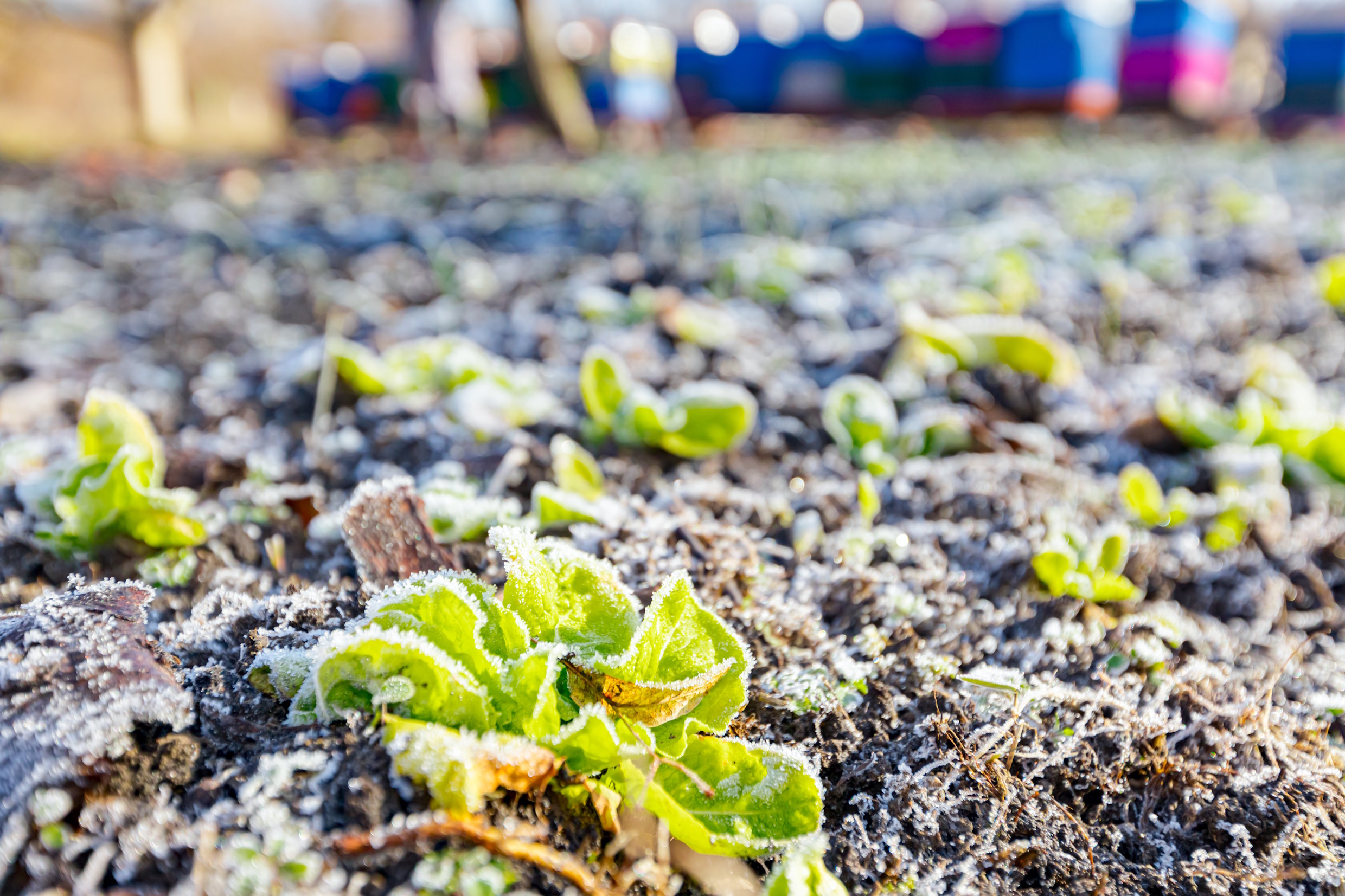
Frost forms when temperatures fall low enough for water vapour in the air to freeze on surfaces like soil, leaves, and stems. While hardy plants are built to withstand cold snaps, tender perennials, young shrubs, bedding plants, and late-sown vegetables are far more vulnerable.
Common signs of frost damage include:
- Blackened or mushy leaves
- Stunted growth or failed crops
- Split bark on young trees and shrubs
- Plants that collapse or die back overnight
Fortunately, with a few simple precautions, you can prevent much of this damage.
Move Potted Plants to Safety
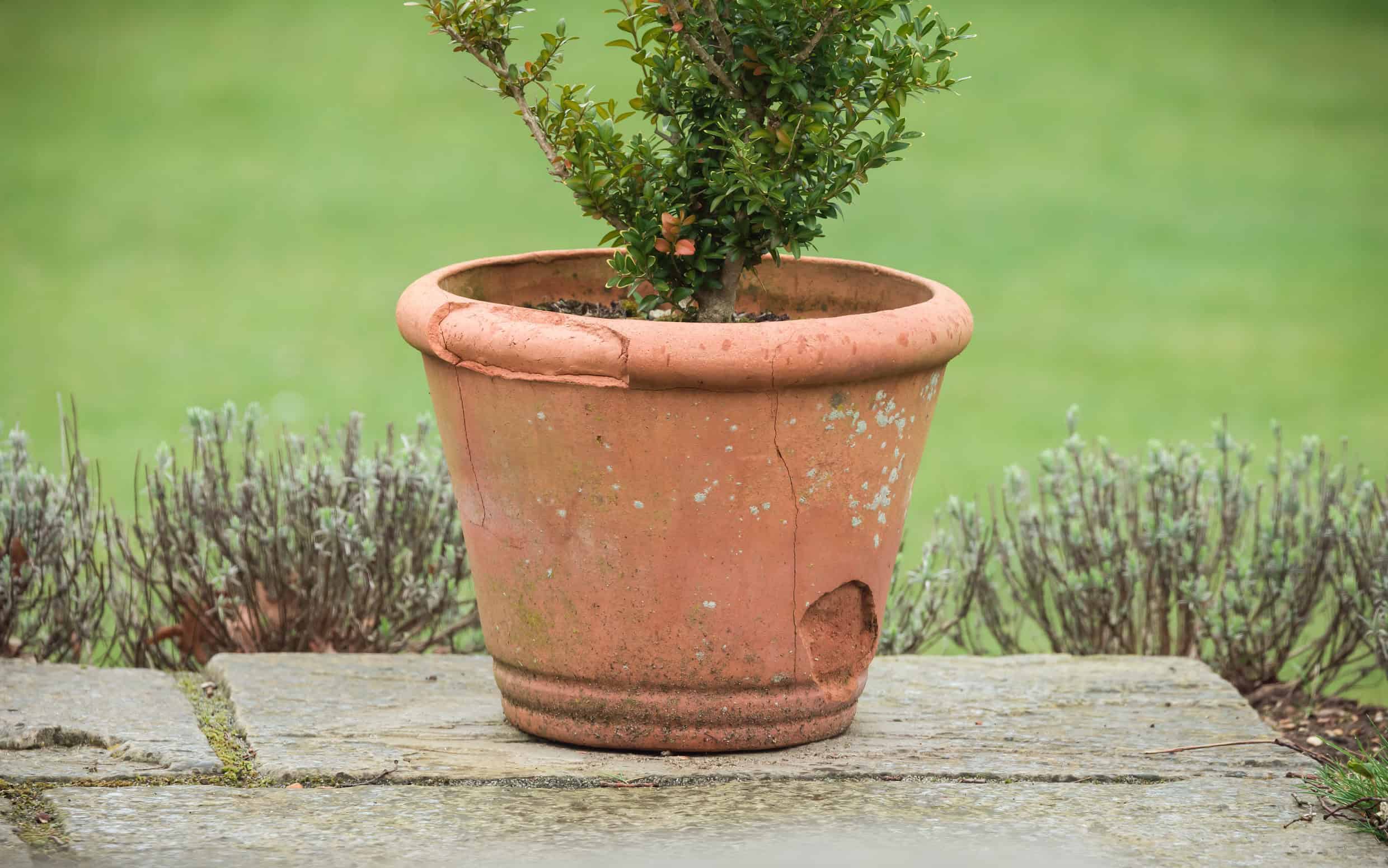
Container-grown plants are at higher risk from frost because their roots don’t benefit from the natural insulation of the ground.
- Bring them indoors: Move pots to a greenhouse, conservatory, or even a garage with natural light.
- Find sheltered spots: If moving indoors isn’t possible, place pots near a south-facing wall or fence to trap residual warmth.
- Elevate containers: Use pot feet, bricks, or stands to keep them off cold, damp ground.
Even shifting plants just a few feet can make a big difference in frost protection.
Use Fleece, Cloches, or Covers
One of the quickest and most effective frost protection methods is to use physical covers.
- Garden fleece: Lightweight and breathable, fleece can be draped directly over delicate shrubs, vegetables, or bedding plants to retain warmth.
- Cloches or tunnels: Plastic cloches and mini-polytunnels are ideal for rows of crops like lettuce, carrots, or spinach.
- Household solutions: For a last-minute fix, old bedsheets, cardboard boxes, or even upturned buckets can provide overnight shelter.
Tip: Always remove covers during the day to allow light and airflow, preventing damp conditions that can encourage mould.
Mulch to Protect Roots
While leaves may take the brunt of frost damage, roots are just as vulnerable. Insulating the soil with a thick layer of organic mulch helps stabilise soil temperature.
- Apply 5–8 cm of bark, compost, straw, or leaf mould.
- Mulch around the base of perennials, roses, shrubs, and young trees.
- Keep mulch slightly away from stems to prevent rot.
- Mulching also locks in moisture, reduces weeds, and improves soil quality over time – a win-win for both frost protection and garden health.
Watering Before Frost
- It may seem unusual, but slightly damp soil holds more heat than dry soil, providing extra insulation for roots.
- Water early in the day so the soil can absorb moisture before nightfall.
- Avoid waterlogging – soggy soil can cause root rot.
- Focus on young plants, newly planted shrubs, and autumn vegetables.
This simple trick can be especially helpful in extending your growing season.
Create Barriers Against Cold Winds
Frost combined with chilly winds can be devastating. Wind accelerates heat loss from plants, leaving them more exposed. Creating temporary windbreaks provides valuable protection.
- Erect hessian screens, bamboo canes with netting, or woven fencing.
- Place windbreaks on the side facing prevailing winds.
- Use them to shield delicate plants such as salvias, fuchsias, or young evergreens.
- A sheltered garden not only reduces frost damage but also creates a more comfortable microclimate for plants year-round.
Protect Fruit and Vegetables
Gardeners who grow their own food know how heartbreaking it can be to lose crops to an early frost.
- Cover rows of vegetables: Use fleece or tunnels to protect crops like beans, courgettes, and salad leaves.
- Harvest vulnerable crops: Pick tomatoes, peppers, and squash if frost is forecast – they can ripen indoors.
- Lift root vegetables: Store crops like carrots and beetroot in sand or compost in a cool shed if frost protection isn’t practical outdoors.
By acting quickly, you can save both your crops and your hard work.
Think Long-Term with Hardy Plants
- If frost protection feels like a yearly battle, consider adjusting your planting strategy.
- Replace tender annuals with hardy perennials.
- Plant frost-resistant shrubs like holly, viburnum, or cotoneaster.
- Choose winter-hardy vegetables such as kale, leeks, and Brussels sprouts.
This reduces the need for constant protection and ensures your garden still thrives in colder months.
Invest in Greenhouses or Cold Frames
For keen gardeners, investing in permanent frost protection structures can be a game-changer.
- Greenhouses: Perfect for overwintering tender plants and extending the growing season.
- Cold frames: Compact and cost-effective, ideal for seedlings and small crops.
- Polytunnels: Affordable for larger vegetable gardens, providing reliable shelter against frost.
These structures offer consistent protection year after year, making them a worthwhile long-term investment.
Final Thoughts
Early frosts can catch gardeners off guard, but with a little planning, you can keep your plants safe. From bringing pots indoors and using fleece covers to mulching soil and harvesting crops early, these simple steps go a long way in preventing damage.
By combining short-term fixes with longer-term strategies like hardier planting and protective structures, you’ll give your garden the best chance of thriving – no matter how unpredictable the weather becomes.
Don’t let frost steal the beauty and productivity of your garden. A few careful precautions now will reward you with healthier plants, a longer harvest, and peace of mind as colder nights draw in.
Keep Your Garden Protected with All Seasons
At All Seasons Garden Maintenance, we help homeowners across Surrey keep their gardens thriving through every season. From hedge trimming and lawn care to expert advice on protecting delicate plants, our team ensures your outdoor space always looks its best.
Contact us today on 01372 610566 to arrange regular garden maintenance and enjoy peace of mind knowing your garden is in safe hands.