
A Practical guide to winter borders, cutting back perennials & November border care.
As the days get shorter and the temperatures drop, your garden begins its slow shift into dormancy. But before everything settles under frost and fallen leaves, there’s a critical window – especially through November – where a bit of smart border care makes a huge difference.
Preparing your winter borders properly doesn’t just keep everything tidy; it protects plant health, boosts next year’s growth, and helps your garden ride out the worst of the cold.
If you’ve ever wondered what to cut back, what to leave, and how to give your garden borders the best possible start for spring, this guide covers it all.
Start With a Good Clear-Up
Before you grab the secateurs, tackle the basics. A straightforward tidy-up makes the rest much easier and massively improves the health of your plants.
Remove fallen leaves
A thin layer of leaves is fine and can even be beneficial, but thick, sodden piles become a magnet for slugs, rot and fungal diseases. Clear paths, lift debris from around perennials and remove anything sitting on top of evergreen shrubs.
Weed the borders
Yes, weeds still find a way. November is a perfect moment to pull them out – the soil is moist, roots come out easily, and you stop them spreading seeds that will haunt you in spring.
Check for pests
Look for signs of vine weevils, aphids’ sooty mould, or slugs hiding under debris. Winter doesn’t magically wipe them out – remove what you find now to avoid population explosions later.
Cutting Back Perennials: What to Reduce, What to Keep
One of the big questions in November border care is deciding which plants to chop and which to leave standing. Cutting everything back might look neat, but it’s not always the best approach.
Perennials to Cut Back
These plants benefit from being cut back hard once they’ve finished flowering and their foliage collapses. Doing so helps prevent disease and encourages strong spring growth.
- Hostas – the leaves turn mushy and harbour slugs
- Daylilies (Hemerocallis) – cut to the base once the foliage yellows
- Peonies – remove dead foliage to prevent botrytis
- Geraniums (hardy cranesbills) – chop down to a clean mound
- Delphiniums – dead stems can attract pests; cut low and mulch
When cutting back, leave roughly 2–3 inches above the soil. This protects the crown of the plant from frost and helps you see where everything is when spring arrives.
Perennials to Leave Standing
Not everything needs your secateurs. Some plants actually prefer to be left untouched through winter.
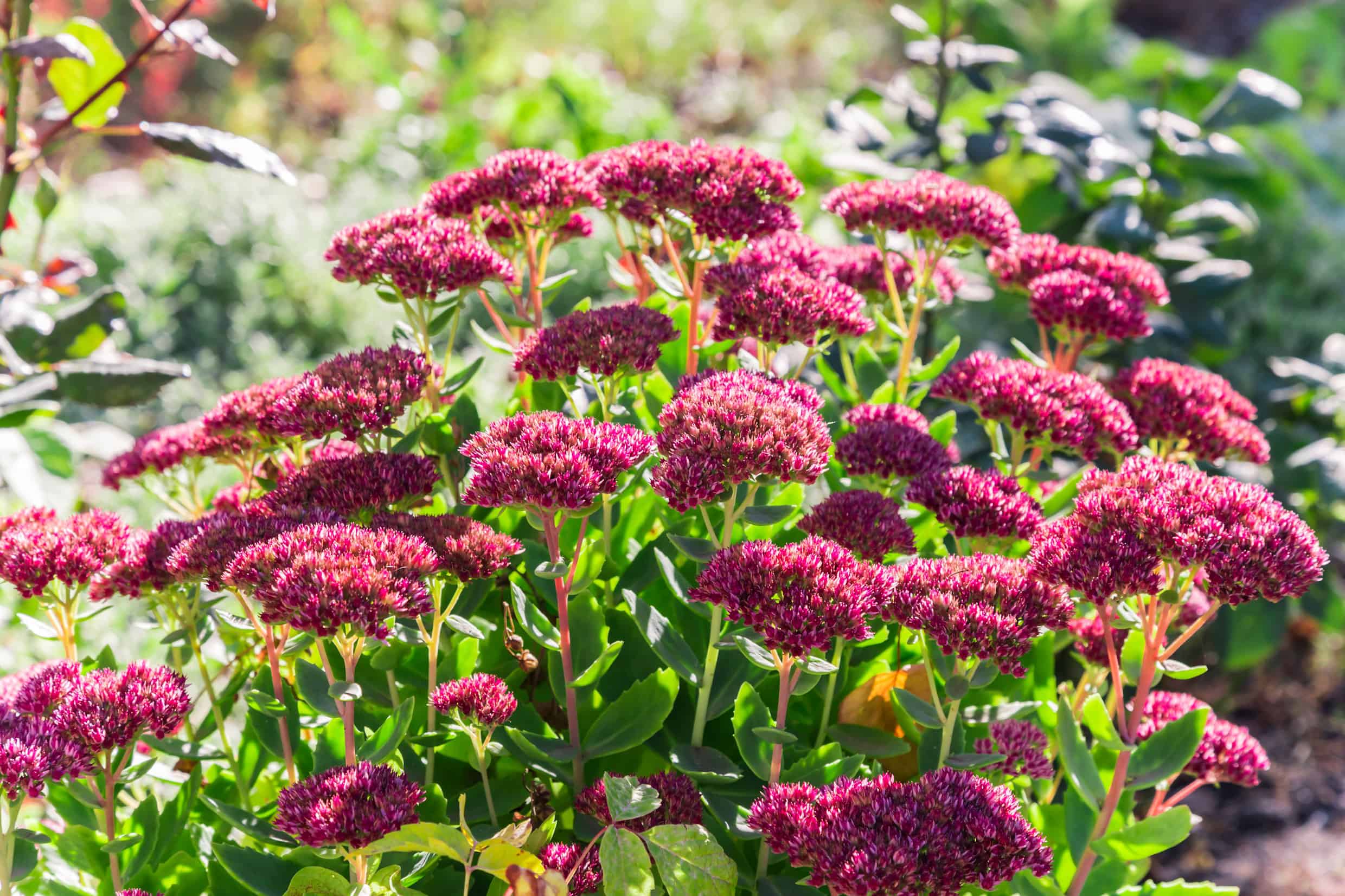
- Sedums – their structure traps frost beautifully and protects the crown
- Echinacea and Rudbeckia – seedheads provide winter food for birds
- Grasses – varieties like Miscanthus or Pennisetum give borders structure
- Fern fronds – act as natural insulation
Leaving these plants not only gives your winter borders more interest and height through the darker months but also helps beneficial wildlife.
Mulching: Your Winter Borders’ Best Defence
Once you’ve tidied and cut back, mulching is the best thing you can do to protect your borders over winter.
A good mulch layer:
- insulates plant roots
- improves soil structure
- boosts moisture retention
- reduces winter weed growth
Use well-rotted compost, leaf mould, or a soil improver. Spread a blanket 5–7 cm deep, taking care not to smother the crowns of your perennials. If you have younger or newly planted specimens, mulch around – not on – them.
Mulching in November locks in all the benefits through the coldest months and sets your plants up brilliantly for spring.
Protecting Tender Plants
Some plants simply can’t take a harsh UK winter. If you’ve got anything slightly tender in your borders, now’s the time to shield it.
- Dahlias – lift and store the tubers, or mulch very heavily in mild areas
- Cannas – cut back and protect the crown with compost and fleece
- Agapanthus – mulch the base, especially potted varieties
- Penstemons – leave the top foliage on over winter; don’t be tempted to chop
For shrubs like young bay, fatsia, or choisya, wrapping with fleece during frosty spells helps prevent leaf scorch.
Divide and Replant Perennials Before Frost Hits
If you’ve got overgrown clumps or perennials that didn’t perform well this year, early November is a sneaky-good time to divide them. The soil is still warm enough for roots to settle before winter.
Divide:
- Hostas
- Sedums
- Shasta daisies
- Grasses
Avoid dividing anything tender or anything that flowers very early in spring.
Pop the divisions straight back into prepared soil with added compost – it’s free plants, and it strengthens your winter borders by preventing overcrowding.
Add Winter Interest While You’re There
While you’re working on November border care, consider adding plants that carry colour or structure through winter.
Good choices include:
- Cornus alba (red-stem dogwood)
- Heucheras
- Evergreen ferns
- Winter-flowering hellebores
- Skimmia
- Grasses for height and movement
A few well-placed evergreens and structural plants stop your borders from looking flat and empty until spring returns.
Final Touches Before Winter Sets In
A few last jobs will finish the job properly:
- Lift and store garden ornaments vulnerable to frost
- Check edging to prevent grass creeping into borders
- Support floppy shrubs against winter winds
- Top up gravel pathways to improve drainage
These little touches keep the whole garden looking sharp through winter.
Ready to Transform Your Winter Borders?
Get your garden cosy for winter with a little help from us! All Seasons Garden Maintenance is here to tidy, protect, and prepare your borders for the colder months. Book your winter garden care today – we’ve got you covered.