
Practical ideas to help you stay cool and keep your plants happy this summer
When summer temperatures soar, our gardens can go from a relaxing retreat to a sun-drenched sauna. While we all enjoy a bit of sunshine, too much heat can be uncomfortable for us – and stressful for our plants. Fortunately, creating shade in your garden doesn’t have to be complicated or expensive.
Whether you’re looking for a quick fix or a long-term solution, this guide will walk you through easy, effective ways to create shade in your garden, helping you beat the heat and enjoy your outdoor space all summer long.
Why Shade Matters
A bit of shade in the garden makes a big difference – for both people and plants. While some plants thrive in full sun, others can suffer in prolonged heat, leading to scorched leaves, wilting, and poor growth. And let’s face it – relaxing or entertaining in a sun-drenched garden isn’t much fun when there’s no place to cool off.
Adding shade can:
Protect delicate plants from heat stress
Keep seating areas more comfortable
Reduce watering needs
Help children and pets play safely outside
Make your garden usable all day long
1. Use Shade Sails or Garden Parasols for Instant Relief
If you’re after a quick and flexible fix, shade sails and garden parasols are ideal.
Shade sails can be stretched between fences, posts, or buildings and come in various sizes, shapes, and UV-protective fabrics. They’re modern, stylish, and perfect for patios or play areas.
Garden parasols offer adjustable shade that you can move with the sun. Choose a sturdy cantilever parasol to cover dining sets or lounge chairs.
These are especially handy for renters or for anyone who doesn’t want to commit to permanent structures.
2. Pergolas and Gazebos: Beautiful and Functional
If you want a more permanent structure in your garden, consider installing a pergola or gazebo.
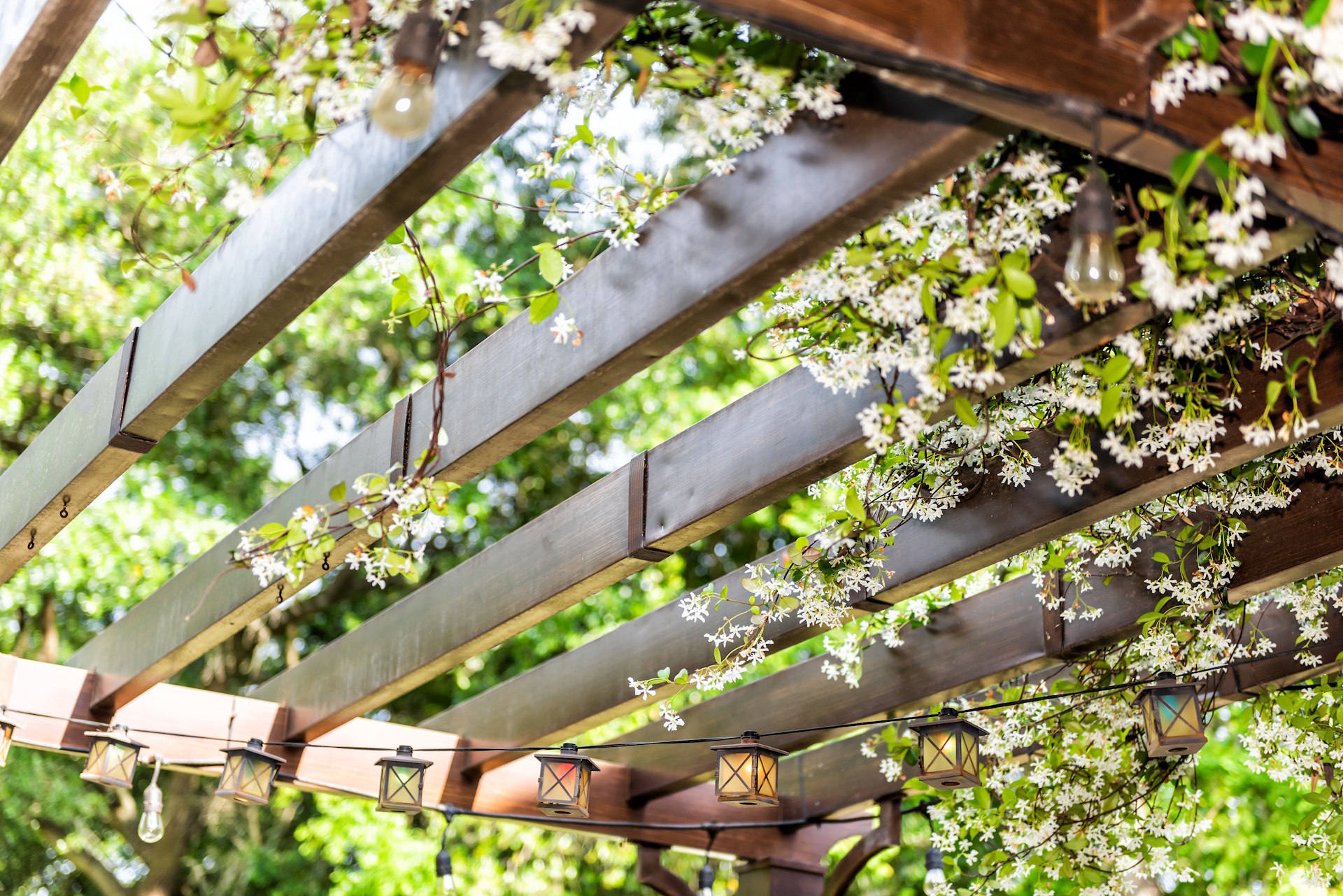
Pergolas offer an open, airy frame that’s perfect for climbing plants like wisteria, clematis, or grape vines – giving you natural, living shade over time.
Gazebos provide full roof coverage and work well as outdoor dining or relaxation spots, offering protection from both sun and summer showers.
Both options can be enhanced with outdoor curtains, bamboo screens, or climbing greenery to create a cool and inviting escape.
3. Plant Trees for Long-Term Shade
Trees are the original shade providers. While they take time to mature, planting a well-positioned tree is one of the most sustainable ways to cool your garden.
Fast-growing varieties like silver birch, hornbeam, or acer can begin offering shade within a few seasons.
Deciduous trees give shade in summer and let in light during winter – perfect for seasonal balance.
Plant near seating areas, patios, or sun-exposed windows to maximise their benefits.
Plus, trees attract birds, improve air quality, and add year-round interest to your garden.
4. Add Climbing Plants and Living Screens
If you already have fencing, trellises, or pergolas, you can use climbing plants to create soft, green shade with minimal effort.
Great climbing plants for shade include:
Clematis – colourful flowers and fast-growing
Honeysuckle – fragrant and attractive to pollinators
Virginia creeper – provides seasonal colour and dense coverage
Evergreen jasmine – gives year-round greenery and sweet-scented blooms
Living screens not only block out the sun, but also add privacy and a lush, tranquil feel to your garden.
5. Create Shade with Potted Plants and Tall Borders
You don’t always need large structures to create shade. Layering taller plants and potted greenery can provide micro-shade for smaller, delicate plants or seating areas.
Use large planters with tall grasses, small trees, or bushy shrubs to create pockets of cool.
Layer your borders with a mix of heights to naturally shade lower-growing plants.
Arrange pots around patios or walkways for a jungle-like feel and extra protection from heat.
This flexible solution also allows you to move things around depending on the sun’s path.
6. Use Outdoor Fabrics and Temporary Covers
Sometimes you just need a temporary solution – and that’s where outdoor fabrics come in handy.
Use canvas or sailcloth to drape over a pergola or tie between poles.
Hang old bed sheets or throws for a rustic, festival-inspired garden party.
Use retractable awnings over windows, decks, or patios to reduce heat buildup both indoors and outdoors.
It’s an affordable way to experiment with shade before committing to permanent features.
7. Don’t Forget Shade for Your Plants
While creating comfortable areas for people is important, it’s equally essential to protect heat-sensitive plants.
Use garden fleece or shade netting to cover raised beds or vegetable patches during extreme heat.
Position new plants in semi-shade areas until they establish.
Create natural shade by interplanting tall and short crops in vegetable beds – for example, grow leafy greens beneath taller beans or corn.
Protecting your plants during heatwaves will help keep your garden looking healthy and vibrant all season long.
Final Thoughts
Creating shade in your garden isn’t just about comfort – it’s about protecting your plants, making better use of your outdoor space, and enjoying your garden to the fullest.
Whether you go for quick-fix parasols, climbing greenery, or long-term tree planting, there’s a solution to suit every garden and budget.
At All Seasons Garden Maintenance, we can help you plan, install, and maintain garden features to keep your outdoor space looking great – rain or shine. Need help with pruning, planting, or pergola care? Get in touch with our friendly team today!