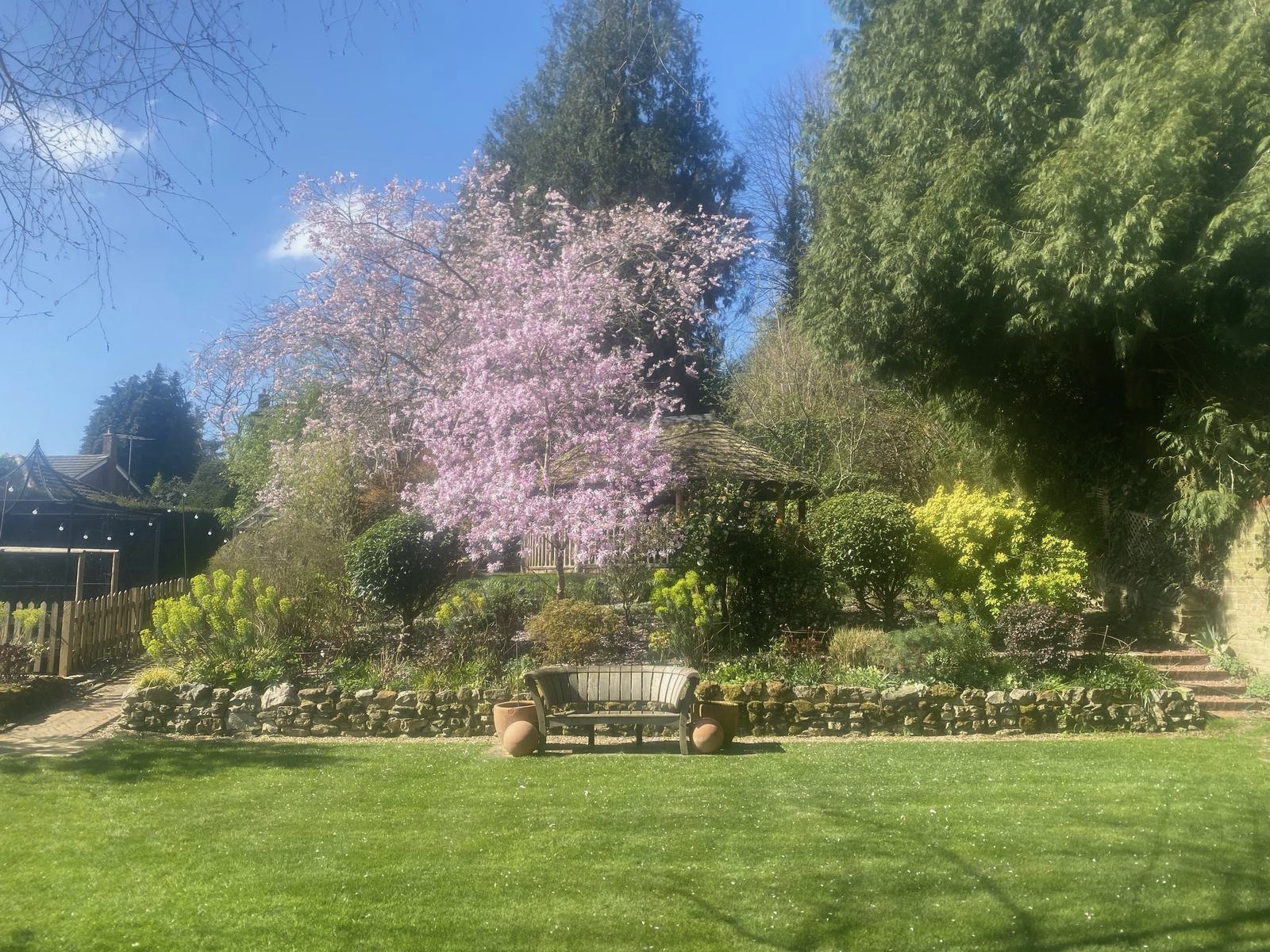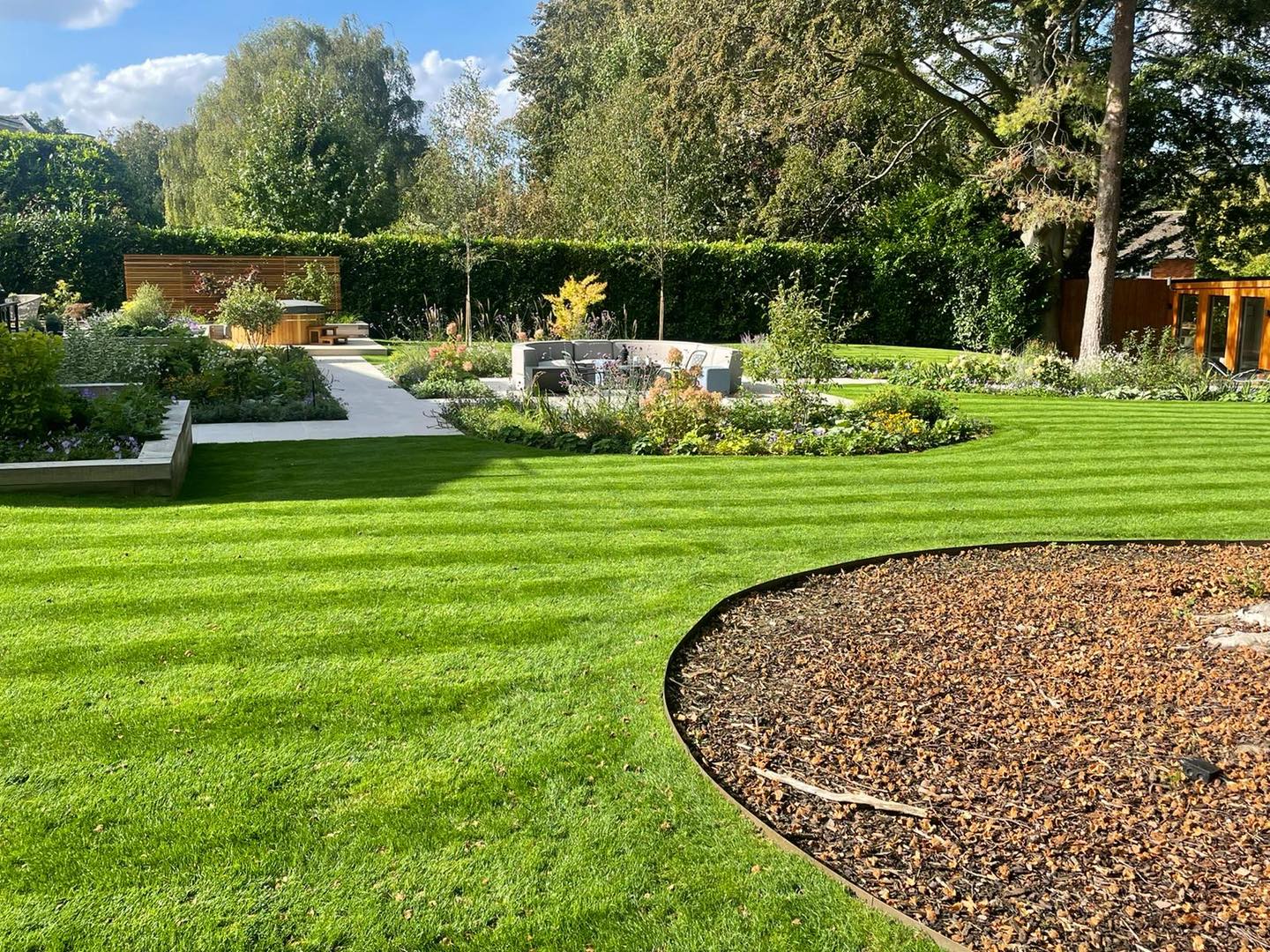

If you have ever tried to dig a border in a Surrey garden and found yourself wrestling with a dense, sticky mass that clings to your spade like glue, you already know the challenge. Clay soil is one of the most common frustrations for homeowners across Epsom, Ewell, Ashtead, Leatherhead and much of the surrounding Surrey area. It compacts in wet weather, bakes solid in summer, and can leave plants looking stressed and waterlogged in equal measure throughout the year.
And yet, with the right approach, clay soil can actually become one of your garden’s greatest assets. At All Seasons Garden Maintenance, we work with clay-heavy gardens every single week across Surrey. In this guide, we share what we have learned – what clay soil really means for your plants, how to improve it season by season, and which plants genuinely thrive in these conditions.
Why Is Surrey Soil So Heavy?
Surrey sits on a mixture of geological formations, including London Clay in the north and Gault Clay around the Epsom and Leatherhead belt. This means a large proportion of local gardens are dealing with soil that has very fine particles, poor natural drainage, and a tendency to compact when wet or crack visibly when dry.
The frustrating thing about clay soil is that it behaves very differently across the seasons. In winter and after heavy rain it becomes waterlogged, cold, and almost impossible to work. In summer it bakes hard and can crack dramatically enough to damage shallow plant roots. Neither state is ideal, but both are manageable with the right techniques and consistent care.
The Good News About Clay Soil
Here is what most gardeners do not realise: clay soil is actually nutrient-rich. Those tiny clay particles hold onto minerals and moisture far better than sandy or chalky soils ever could. The challenge is not the clay itself – it is the structure. Improve the structure over time, and you unlock a growing medium that is genuinely productive and capable of supporting a wide, diverse range of plants.
How to Improve Clay Soil in Your Surrey Garden
- Add Organic Matter – Generously and Regularly
The single most effective long-term action you can take for clay soil is to add generous amounts of organic matter every year without fail. Well-rotted garden compost, leaf mould, or composted bark all work to break up clay particles, introduce vital air pockets, and improve drainage incrementally. Aim to dig in at least five to seven centimetres of compost across your borders each autumn. Over two to three seasons, the difference in texture and workability is dramatic.
- Never Work Wet Clay
Walking on or digging wet clay compacts it severely, destroying any structure you have worked hard to build. If your soil is sticky and coming off your boots in clumps, wait for drier conditions. Work the soil only when it is slightly moist – not saturated and not bone dry. Laying temporary boards across beds can help distribute weight and reduce compaction during wetter months.
- Incorporate Coarse Horticultural Grit
For beds and borders, incorporating coarse horticultural grit can dramatically improve drainage over time. Be generous – a thin dusting will make no meaningful difference. You need volume to genuinely change the texture of the soil. For raised beds or kitchen garden areas, combining grit with compost can transform growing conditions completely within a single season.
- Consider Raised Beds
If you are dealing with particularly severe clay or have been battling drainage problems for years without lasting success, raised beds offer a brilliant practical solution. By creating a growing environment above the clay level, you control soil quality entirely. These can look beautiful and structural in a garden, and we can help design and build them as part of a one-off garden improvement project.
- Green Manures and Cover Crops
Planting green manures such as clover, mustard, or phacelia over winter is a low-effort way to gradually improve clay structure. As their roots penetrate through the soil and the plants decompose, they add organic matter and help open up compacted areas naturally. It is a simple investment that pays dividends the following spring.
Best Plants for Clay Soil in Surrey Gardens
Not everything struggles on clay. In fact, some of the most beautiful and reliable garden plants actively prefer it. Here are proven performers for Surrey clay gardens:
- Roses – classic and beloved, roses thrive in clay’s moisture-retaining qualities and produce exceptional blooms
- Hostas – perfect for shaded clay areas, with large architectural leaves that also suppress weeds effectively
- Astilbe – stunning feathery plumes that love the moisture clay naturally holds through summer
- Rudbeckia – cheerful golden flowers that are incredibly robust and naturalise well over time
- Dogwood (Cornus) – fantastic for winter stem colour, tolerates wet clay conditions brilliantly
- Viburnum – hardy, reliable shrubs with excellent structure and multi-season interest
- Mahonia – a standout evergreen that copes very well with heavy soils and provides winter flowers
- Helenium – tall, warm-toned perennials that establish strongly in clay-heavy ground
Warning Signs Your Clay Soil Needs Attention
Keep an eye out for these indicators that your clay is causing problems rather than helping your garden:
- Standing water that remains for two or more days after rainfall
- Plants looking yellow or persistently stressed despite regular watering
- Roots sitting at or very near the surface rather than establishing deep
- Persistent moss throughout your lawn – a reliable sign of poor drainage and compaction
- Soil that cracks visibly and deeply during dry summer spells
- Slow, weak growth even in plants that should establish quickly
When to Call in Professional Help
Sometimes clay soil challenges go beyond what simple amendments can resolve alone. Persistent waterlogging across a large area may indicate the need for a properly installed drainage solution. Compacted soils across established garden sections may benefit from professional aeration equipment. And if you want to completely redesign your garden to work harmoniously with your soil rather than constantly fighting it, that is exactly the kind of project we love.
All Seasons Garden Maintenance provides both one-off garden improvement projects and ongoing monthly maintenance packages across Epsom and Surrey. Whether you need a seasonal soil improvement programme or a comprehensive regular care plan, we have the experience and local knowledge to get your garden performing at its best.
Contact us today for a free consultation: 01372 610566